In 2026, the EFFUSE-win project participated in two major science and environmental outreach events in Slovakia, providing opportunities to present environmental research, biodiversity conservation and practical scientific methods to broad audiences. Through hands-on activities in both natural and public settings, project experts demonstrated that understanding and protecting the environment begins with direct observation, scientific curiosity and active engagement.
Guardians of Wetlands: Exploring the Bodrog and Latorica Region
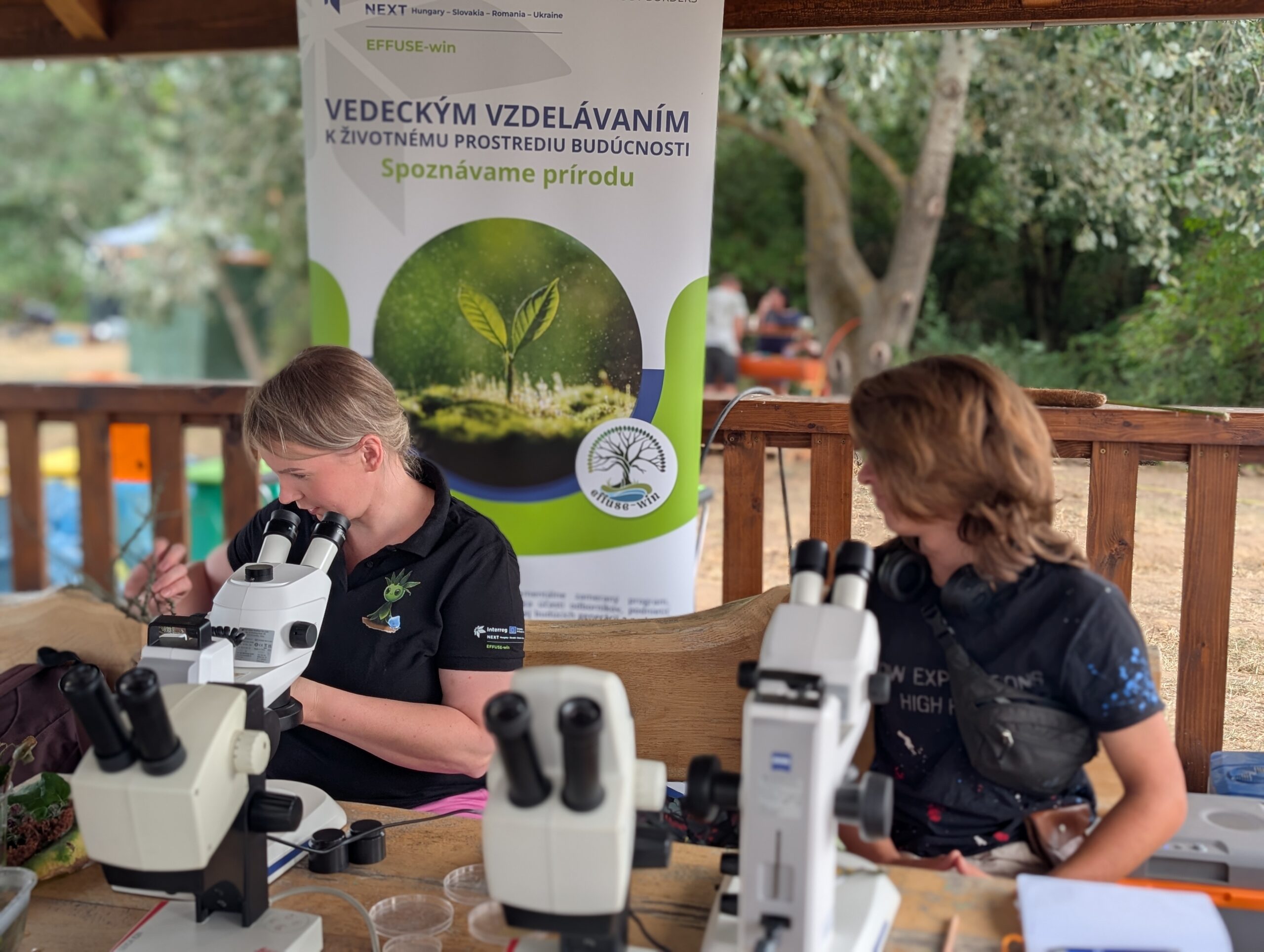
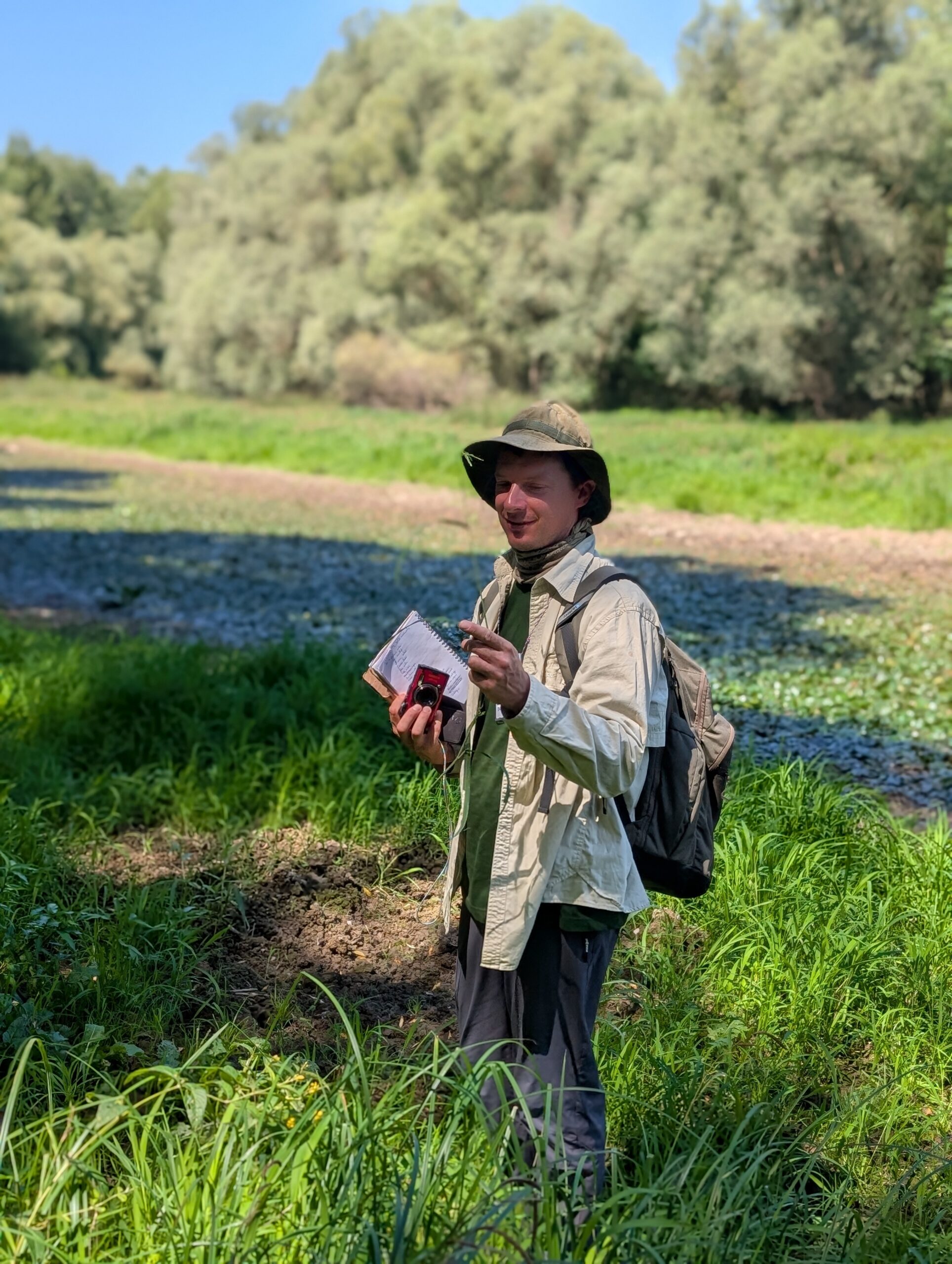
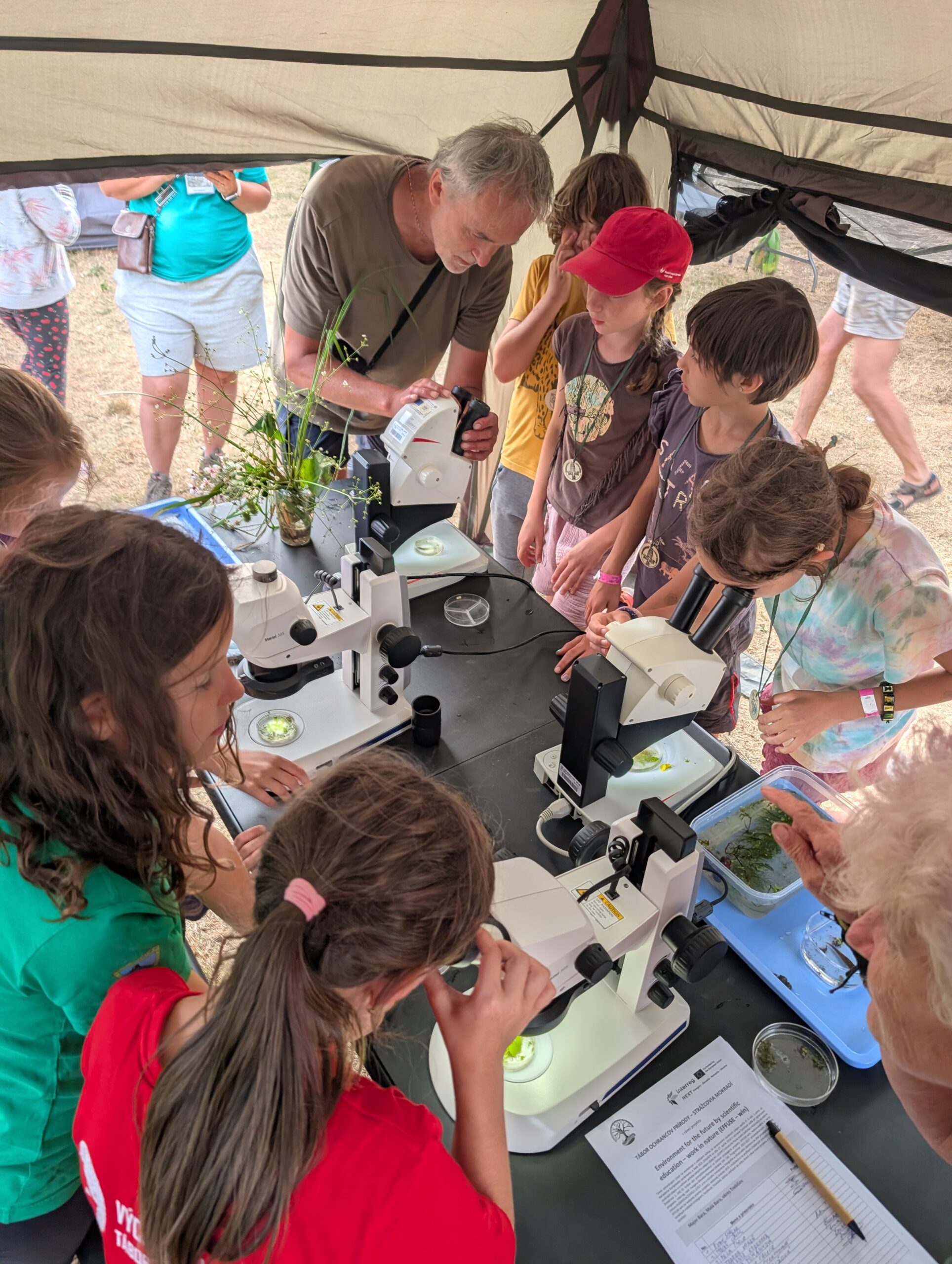
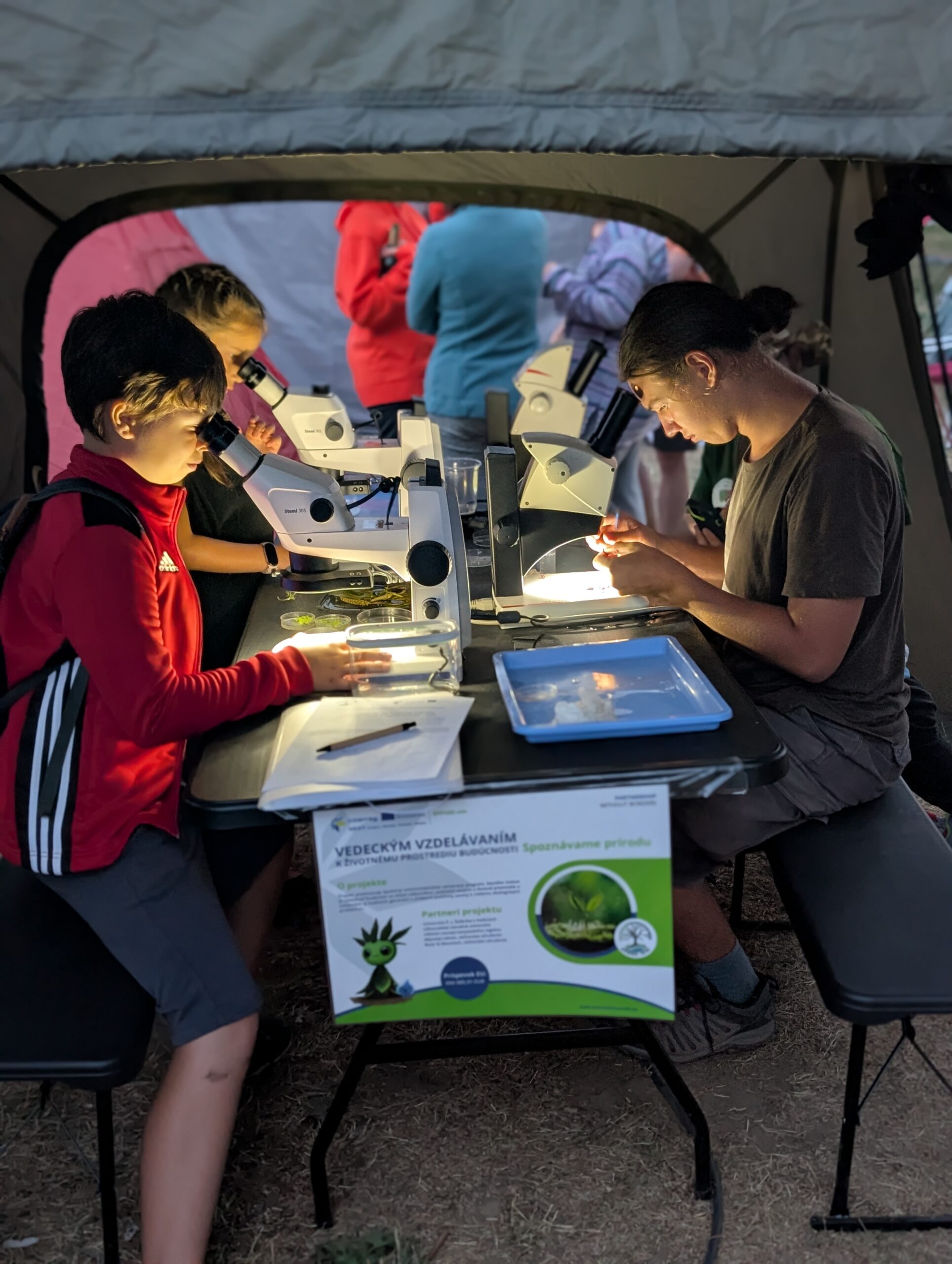
From 27 to 29 July 2026, EFFUSE-win contributed to the Eastern Slovak Camp of Nature Conservationists (VsTOP), a large environmental event bringing together nature enthusiasts, experts and members of the public. Project activities focused on practical environmental education and the exploration of the Bodrog River and the diverse habitats of the Latorica Protected Landscape Area.
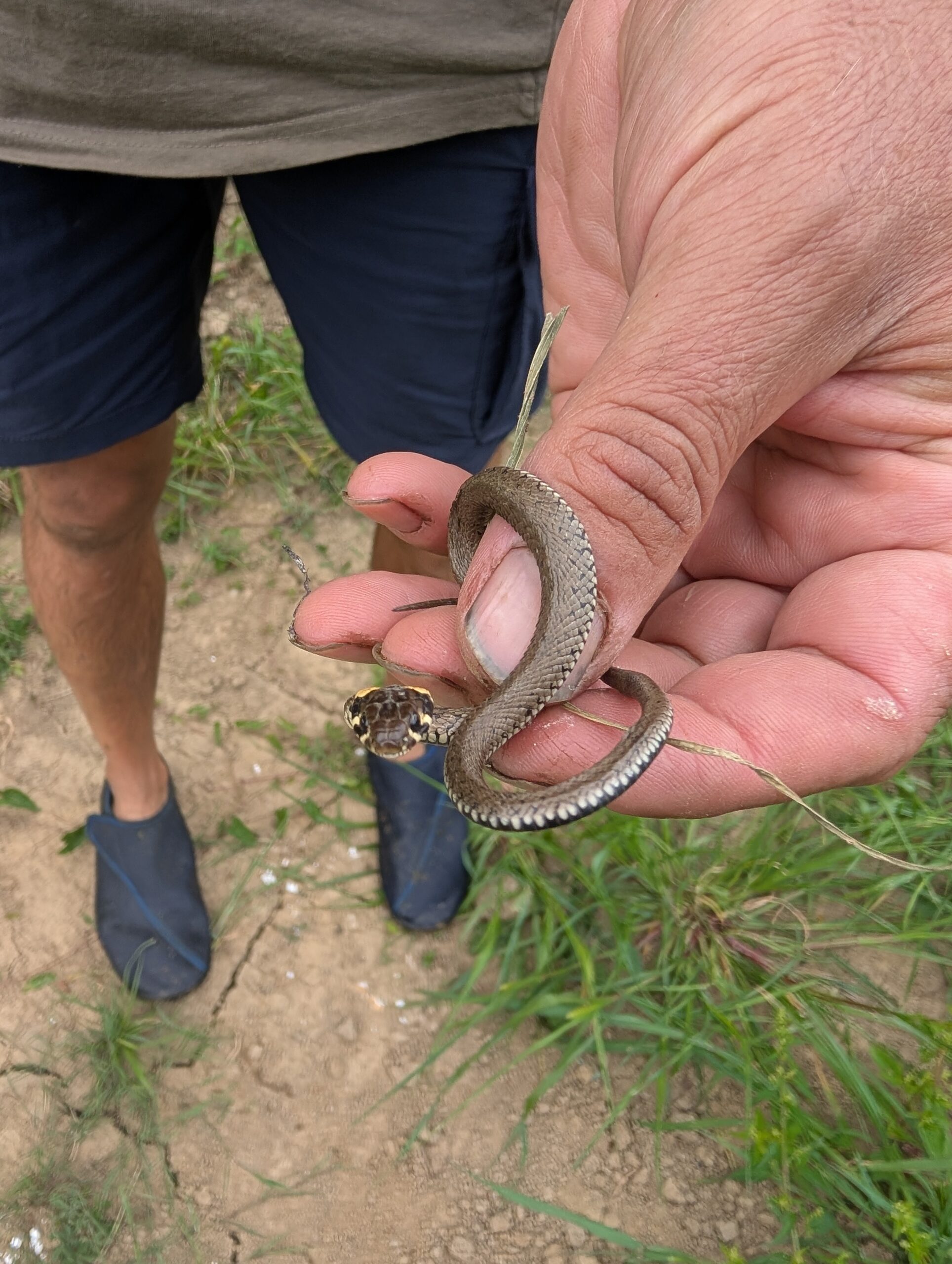
Participants worked directly in the field, investigating the characteristics of aquatic and wetland environments. They examined water depth, different types of sediments and the occurrence of selected plant and animal species, learning how these observations can be used to characterise habitats and assess environmental conditions.
Special attention was given to non-native and invasive species, including the Chinese pond mussel (Sinanodonta woodiana) and monkey goby (Neogobius fluviatilis), providing an opportunity to discuss biological invasions and their potential impact on native ecosystems. Samples collected during the field activities were subsequently examined under stereomicroscopes with the guidance of experts from Pavol Jozef Šafárik University in Košice (UPJŠ).
By combining field observations, practical scientific methods and direct contact with organisms, the activities strengthened participants’ understanding of freshwater biodiversity and highlighted the importance of protecting riverine and wetland habitats.
Science Up Close at the European Researchers’ Night
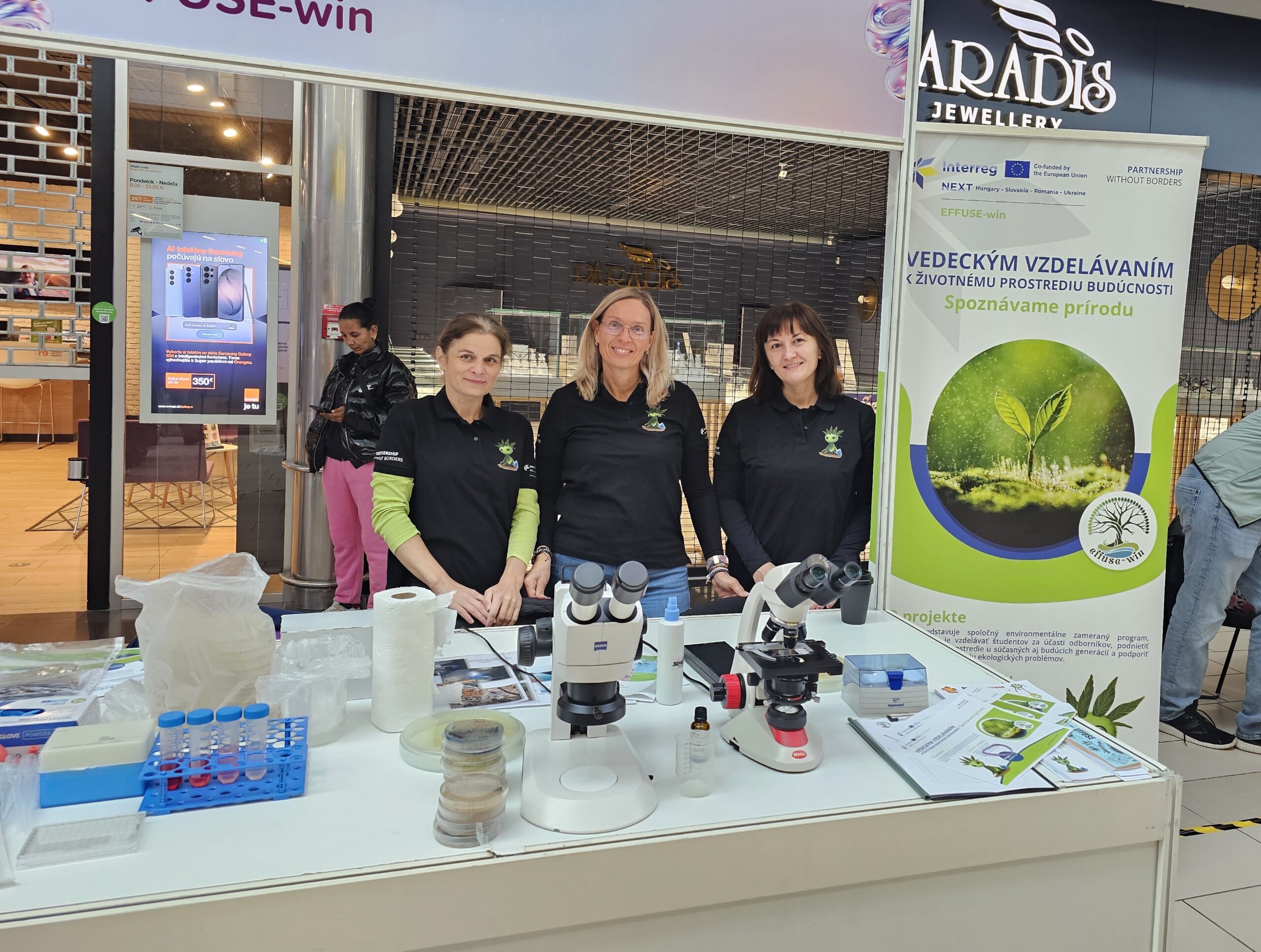
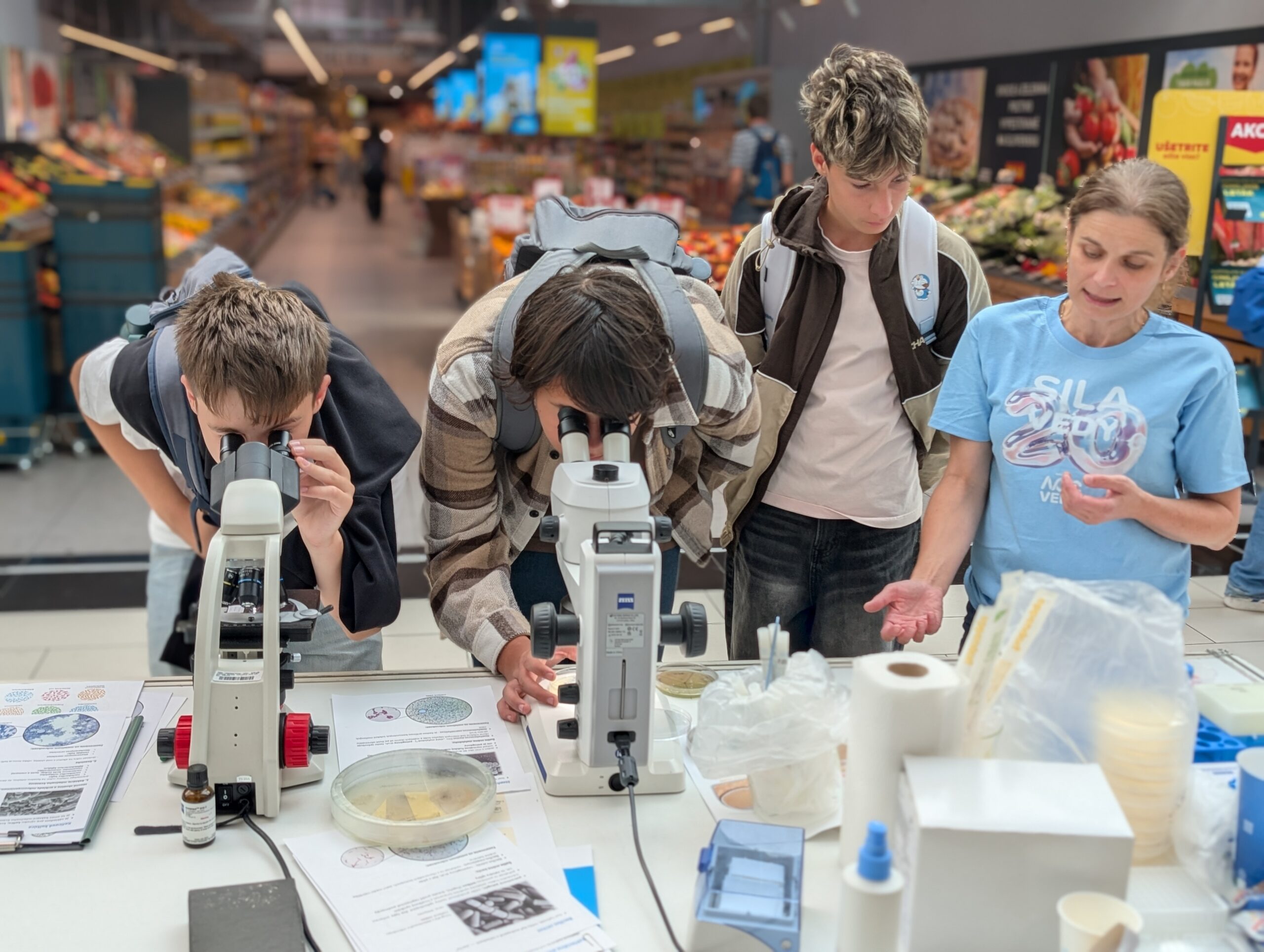
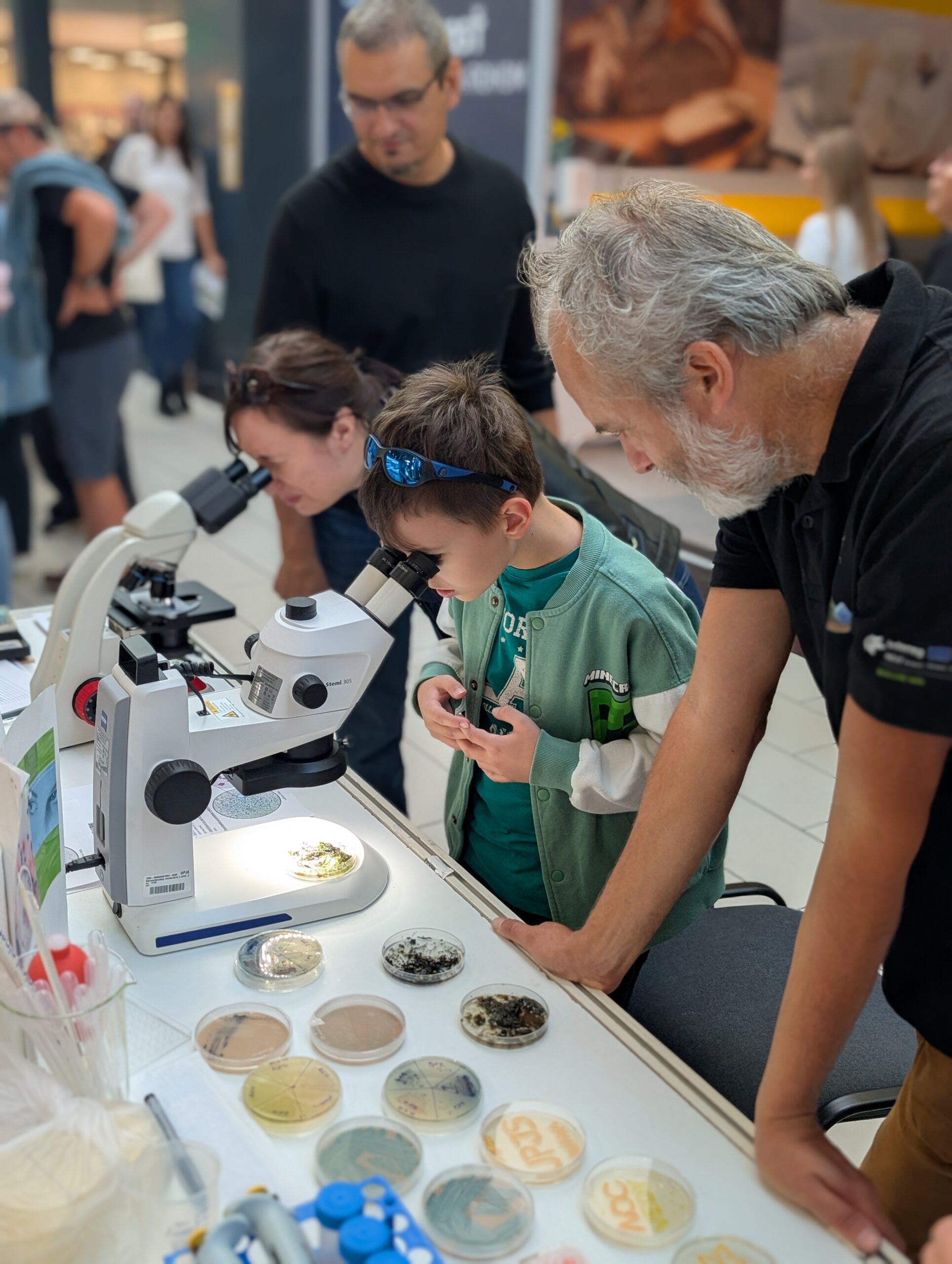
A different setting, but the same hands-on approach to science, was offered on 25 September 2026, when EFFUSE-win participated in the 20th European Researchers’ Night at the Optima shopping centre in Košice. As part of this nationwide science outreach event attracting hundreds of visitors, EFFUSE-win experts introduced children, students, families and the wider public to microbiology, freshwater ecology and parasitology.
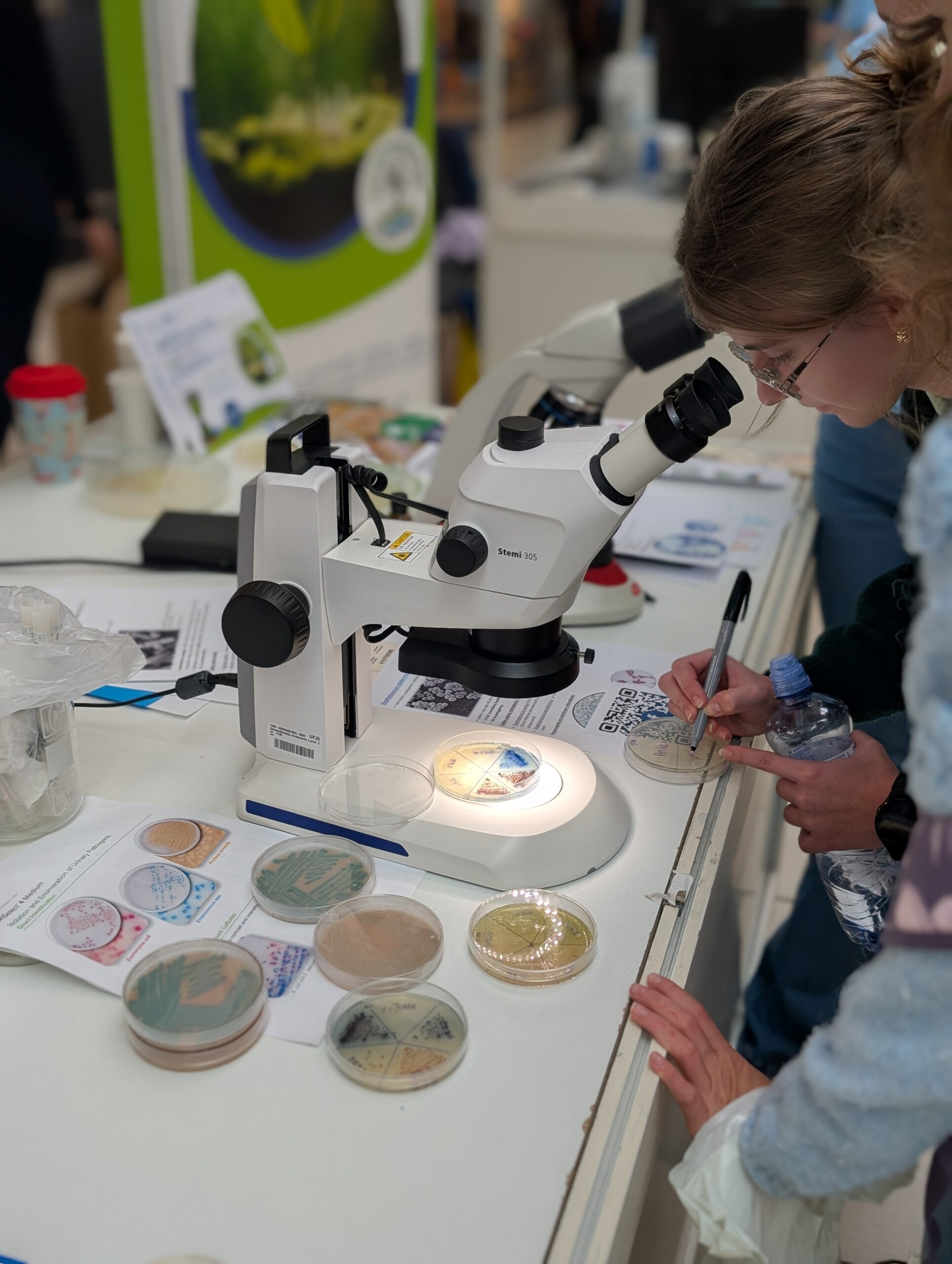
Visitors explored the world of bacteria through microscopes and stereomicroscopes, observed cultures of soil bacteria and discovered streptomycetes using more than just their eyes. By smelling the cultures, they experienced the characteristic earthy scent associated with these soil microorganisms. Participants could also take swabs from everyday objects, inoculate their own samples onto agar plates and try pipetting, one of the basic techniques used in laboratory work.
Freshwater biodiversity was presented through live samples of macrozoobenthos collected from different aquatic habitats. Visitors observed amphipods, aquatic beetles, snails and dragonfly and mayfly larvae under stereomicroscopes and used a simple identification key to recognise different groups. The activity also demonstrated an important ecological principle: the composition of macrozoobenthic communities can provide valuable information about the ecological status and quality of freshwater ecosystems.
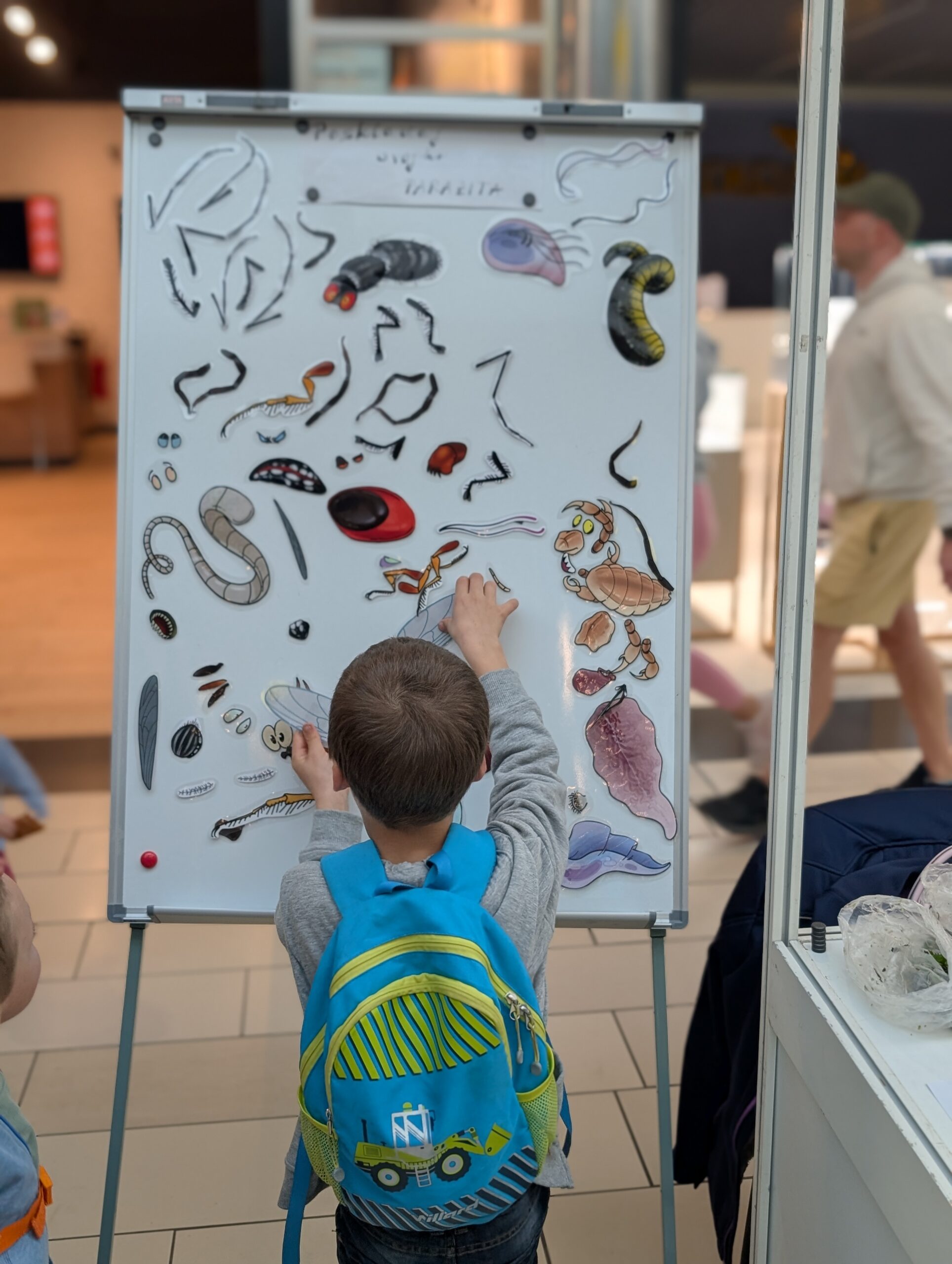
Younger visitors were particularly attracted to a creative parasitology activity, where they could construct and name their own parasite and consider which adaptations it would need to survive on or inside its host. This playful approach opened discussions about parasite diversity, adaptations and host–parasite relationships.
Bringing Environmental Science to the Public
Although the two events took place in very different environments – one directly in the wetlands and the other in the heart of a busy shopping centre – they shared the same objective: to make science accessible through direct experience.
Participation in large public events enables EFFUSE-win to reach hundreds of people beyond the university environment and connect scientific research with environmental education and public engagement. Visitors do not simply receive information; they observe living organisms, work with scientific equipment, use identification methods and discover how researchers collect and interpret information about the natural world.
Through activities such as these, EFFUSE-win connects research, education and environmental awareness, encourages curiosity about biodiversity and helps communicate why understanding freshwater and wetland ecosystems is essential for their effective protection.